Tree Surgeons Regents Park: Expert Care for Healthy, Safe, and Beautiful Trees
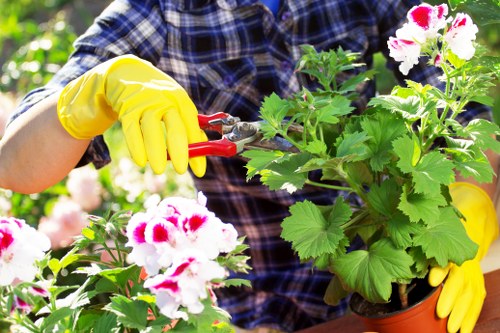 Tree surgeons in Regents Park play a vital role in preserving the health, structure, and long-term beauty of trees in one of London’s most admired green spaces and surrounding residential landscapes. Whether working on mature avenue trees, ornamental garden specimens, or large established canopies, a tree surgeon in Regents Park combines arboricultural knowledge, precision, and safety awareness to manage tree care responsibly. The work is far more than cutting branches; it involves understanding tree biology, soil conditions, disease pressure, seasonal growth, and the unique demands placed on trees in an urban environment.
Regents Park and its surrounding streets are known for elegant architecture, landscaped gardens, and a strong appreciation for mature greenery. Trees in this setting are often exposed to compacted soil, limited rooting space, pollution, storm stress, and heavy foot traffic. Because of these pressures, tree surgery in Regents Park requires a thoughtful approach that balances aesthetics with structural integrity and ecological value. A skilled arborist does not simply remove parts of a tree; they assess the whole organism and determine the most suitable course of action for long-term vitality.
Many people searching for tree surgeons Regentspark are looking for help with pruning, crown reduction, deadwood removal, pest and disease diagnosis, or the safe removal of unstable trees. Others want professional advice on whether a tree should be retained, restored, or replaced. In all cases, the best results come from an informed and conservation-minded process. Trees are living assets that contribute shade, cleaner air, wildlife habitat, and visual character, making expert care especially important in a prestigious and densely populated area like Regents Park.
Why Tree Surgery Matters in Regents Park
Tree surgery matters in Regents Park because trees in city environments face challenges that are not always visible from the ground. Urban trees often grow in restricted soil volumes and must compete with underground utilities, paving, and nearby structures. These conditions can affect stability, water uptake, and root development. Regular maintenance from tree surgeons Regents Park helps reduce risk while supporting the tree’s natural form and health.
In addition to structural concerns, trees in central London are regularly affected by pests, fungal infections, drought, and compaction. A trained arborist can identify early signs of stress such as discoloured leaves, dieback, cavities, or unusual growth patterns. Early intervention is usually less invasive and more effective than dealing with a severe decline later. This is one reason why homeowners, estate managers, and property professionals value professional tree care in Regents Park: it protects both the tree and the surrounding environment.
There is also a public safety element. Large mature trees can become hazardous if dead branches, split limbs, or unstable trunks are left unmanaged. Strong winds, heavy rain, and seasonal leaf load can increase the risk of failure. When a Regents Park tree surgeon is called in to assess a tree, the aim is to determine whether pruning, cabling, bracing, monitoring, or removal is the most responsible option. Thoughtful intervention protects people, property, and neighbouring plants without unnecessarily compromising the landscape.
What Tree Surgeons in Regents Park Actually Do
 The role of tree surgeons in Regents Park covers a wide range of services, each tailored to the tree’s condition, species, age, and location. A common task is crown thinning, which selectively removes branches to increase light penetration and airflow while reducing wind resistance. This is particularly useful for broad canopies where density may be excessive or where neighbouring trees and buildings require better light access.
Another important service is crown reduction, which reduces the overall size of a tree in a controlled way. This is often requested when a tree has outgrown its space or is putting pressure on nearby structures. A reputable tree surgeon in Regents Park understands that crown reduction must be done carefully to preserve the tree’s natural appearance and avoid unnecessary stress. Poorly executed reductions can lead to weak regrowth, decay entry points, and long-term decline.
Deadwood removal is also essential, especially in mature specimens. Dead branches can fall without warning and pose a hazard to pedestrians, vehicles, and nearby property. Removing deadwood improves safety and also allows the tree to redirect energy more effectively. In conservation-rich areas, deadwood may sometimes be retained in a controlled manner for wildlife value, but this must be weighed against safety and aesthetic considerations. This is where the judgement of experienced tree surgery specialists becomes particularly valuable.
Tree Health, Disease, and Risk Assessment
Tree health assessments are central to responsible arboriculture. A tree surgeon Regents Park will often inspect bark condition, leaf colour, branch architecture, root flare visibility, and signs of internal decay. Common issues in London trees can include fungal infections, bacterial problems, canker, honey fungus, root damage, and decline caused by environmental stress. Identifying these problems early allows for more effective management and can sometimes extend a tree’s life significantly.
Risk assessment is another major part of the job. Not every tree showing symptoms needs removal, and not every tree with deadwood is dangerous. Skilled arborists evaluate likelihood and consequence: how likely is failure, and what would happen if it occurred? This balanced view is important in Regents Park, where trees often stand near homes, roads, gardens, and public routes. The goal is to maintain the tree where possible while lowering the level of risk to acceptable standards.
Tree surgeons may also recommend soil improvement, mulching, watering strategies, or a monitoring schedule. These measures can be especially helpful for trees under stress from drought or compaction. A well-informed approach values the long-term sustainability of the tree rather than focusing only on immediate visual results. That is one reason why local residents and property managers tend to favour arborists who combine technical skill with ecological awareness.
Pruning, Shaping, and Seasonal Tree Care
Pruning is one of the most common reasons people seek out tree surgeons in Regents Park. Done correctly, pruning improves structure, reduces the chance of failure, and enhances the tree’s natural form. It can also help maintain clearances around pathways, buildings, and views. For ornamental and street trees, pruning often needs to be subtle and precise to preserve their visual appeal while preventing overgrowth.
Different species respond differently to pruning. Some trees tolerate regular shaping, while others are more sensitive and require minimal intervention. A knowledgeable tree surgeon in Regents Park understands these differences and applies techniques suited to the species and the season. For example, timing can affect sap bleed, flowering, and the tree’s ability to recover. Pruning at the wrong time may weaken a tree or create unnecessary stress.
Seasonal care also matters. Winter can be a practical time for structural work because leaf drop reveals branch architecture more clearly. Spring and summer may be better for assessing vitality and identifying foliage-related issues. Autumn often brings storm-related concerns and leaf-litter management. The best tree surgeons Regents Park adapt their methods to seasonal changes, always considering how their actions will affect the tree’s next stage of growth.
Tree Removal and Why It Must Be Handled Carefully
 Although tree removal is sometimes necessary, it is usually considered a last resort. Removal may be needed when a tree is dead, irreparably diseased, structurally unsound, or causing significant damage to property or infrastructure. In a place like Regents Park, where mature trees contribute strongly to the landscape, removal decisions are not taken lightly. A competent arborist will first explore whether the tree can be retained safely through pruning, support systems, or monitoring.
When removal is the only responsible choice, it must be carried out with care. Large trees in constrained urban spaces often require sectional dismantling rather than straightforward felling. This involves lowering branches and trunk sections in a controlled manner to avoid damage to nearby gardens, buildings, fences, or pathways. Such operations demand experience, proper equipment, and strict adherence to safety procedures. The precision of tree surgeons in Regents Park is especially important when trees are close to sensitive structures or high footfall areas.
After removal, the stump may also need attention. Stump grinding is commonly used to reduce trip hazards, prevent regrowth, and allow space for replanting or landscaping. In some cases, the remaining root system may be left to decay naturally if excavation would be too disruptive. The right solution depends on the site, the future use of the area, and the wishes of the property owner. Every stage of the process should be handled with professionalism and respect for the surrounding environment.
Supporting Biodiversity and the Regents Park Landscape
One of the most valuable contributions tree surgeons make in Regents Park is the protection of biodiversity. Trees support birds, insects, fungi, and small mammals, all of which contribute to a balanced urban ecosystem. Careful pruning, habitat retention, and thoughtful management can help preserve these ecological benefits while still addressing safety and maintenance needs. In many cases, a well-maintained tree provides far more environmental value than a replacement sapling alone.
Tree surgeons may recommend retaining certain features such as moderate deadwood, where safe, because they create habitat for insects and nesting birds. They may also advise on the selection of replacement species that are more resilient to urban stress, drought, or disease. This ecological perspective is increasingly important as climate patterns shift and cities become more vulnerable to heat and storm impacts. The best tree surgery in Regents Park supports not just individual trees, but the wider green network.
In a historic and visually distinctive district, landscape continuity matters. Mature trees help define the character of streets, gardens, and public spaces. Responsible tree surgeons understand that their work influences not only tree health, but also the appearance and heritage value of the area. By combining technical arboricultural practice with sensitivity to the local setting, they help ensure that Regents Park retains its green identity for future generations.
What Makes a Tree Surgeon in Regents Park Different
Working in Regents Park often requires a more refined approach than standard domestic tree work. The area includes a mixture of private gardens, residential streets, institutional grounds, and landscaped public spaces, each with its own requirements. Access may be limited, tree preservation value may be high, and the visual expectations may be exacting. For that reason, tree surgeons Regents Park must combine practical skill with discretion, communication, and an understanding of local planning and conservation considerations.
They also need to manage a broad range of tree species, from native broadleaves to ornamental specimens and mature exotics. Different species present different growth habits, failure risks, and responses to pruning. For example, some trees develop strong central leaders, while others naturally form spreading canopies. Some are prone to brittle wood, while others can tolerate heavier crown work. A well-trained tree surgeon Regents Park will tailor each task to the biology of the tree rather than using a one-size-fits-all approach.
The expectation of cleanliness and care is also high. In prestigious neighbourhoods, tree work must be completed with respect for surrounding property, planting beds, paving, and access routes. Good arborists protect lawns, tidy debris efficiently, and leave the site safe and presentable. Professionalism is reflected not only in the quality of the cuts, but in the overall conduct of the operation.
Professional Standards, Safety, and Equipment
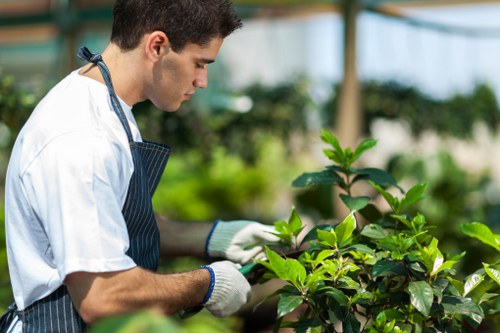 Tree surgery is a highly skilled profession that carries substantial safety responsibilities. Working at height, handling chainsaws, operating wood chippers, and moving heavy limbs all require disciplined procedures and proper equipment. In Regents Park, where trees may stand close to pedestrians, vehicles, or structures, safety planning becomes even more critical. Reputable arborists carry out risk assessments before work begins and adapt methods to the site conditions.
Equipment may include climbing systems, rigging gear, lowering devices, stump grinders, and specialist cutting tools. However, equipment alone is not enough. The expertise to use it well is what separates an ordinary contractor from a true tree surgeon in Regents Park. Understanding how to distribute weight in a canopy, how to control large branch movement, and how to protect the remaining tree tissues after cuts is essential for good outcomes.
Safety also extends to the tree itself. Poor cutting techniques can tear bark, leave oversized wounds, or encourage decay. A skilled arborist aims to make precise cuts in the correct location, using methods that support healing and reduce long-term stress. This combination of human safety and tree care is at the heart of modern arboriculture.
Choosing the Right Tree Care Approach
Not every tree problem requires the same response. Some trees only need light pruning, while others may benefit from crown lifting, thinning, or periodic monitoring. In certain situations, support systems such as cables or braces can help stabilise structurally valuable trees. When a tree is in decline, an arborist might recommend soil care, mulching, or selective reduction rather than immediate removal. The most effective tree surgeons in Regents Park work methodically and explain the reasoning behind each recommendation.
Good tree care also respects the age and history of the tree. Mature specimens may have decades of value, even if they show some stress or defects. Rather than focusing solely on faults, a thoughtful tree surgeon weighs the tree’s contribution to the site, its likelihood of recovery, and the role it plays in the wider landscape. This balanced decision-making is especially important in an area where established trees form part of the setting’s identity.
Homeowners and property managers often appreciate clear, informed advice that helps them plan ahead. Trees grow slowly, but problems can develop over time. Proactive management often costs less and causes less disruption than emergency work after storm damage or significant decline. That is why many people seeking tree surgeons Regents Park are really looking for long-term stewardship rather than a one-time fix.
The Value of Long-Term Tree Stewardship
Tree stewardship means looking after trees across their whole lifespan. It begins with planting the right species in the right place and continues through formative pruning, mature maintenance, risk reduction, and eventual replacement planning. In Regents Park, where green assets are highly visible and ecologically valuable, stewardship supports beauty, safety, and resilience all at once.
Long-term thinking is particularly useful for estate managers and property owners who want trees to remain an asset rather than become a burden. By working with experienced tree surgeons Regents Park, they can develop maintenance plans that suit the specific conditions of the site. This may include scheduled inspections, seasonal pruning, soil care, and monitoring for disease or structural weakness. Such strategies protect both the trees and the landscape investment around them.
Well-managed trees can live for many decades, sometimes far longer, and their presence can improve the character of an entire neighbourhood. They offer shade in summer, visual interest throughout the year, and a sense of continuity that is increasingly valuable in urban life. Skilled arboricultural care helps make that possible while keeping risks under control.
Tree Surgeons Regents Park and the Future of Urban Trees
The future of urban trees depends on informed care, species diversity, and an understanding of changing environmental conditions. Heat stress, pests, diseases, and extreme weather events are likely to remain significant concerns. In this context, the work of a tree surgeon in Regents Park is not simply reactive; it is part of a larger effort to create resilient green infrastructure. Healthy trees contribute to cooler streets, better air quality, and more attractive surroundings.
As awareness grows around sustainability and biodiversity, arboriculture continues to evolve. Tree surgeons increasingly consider habitat value, carbon storage, and the wider environmental role of trees, alongside traditional concerns like stability and form. This broader perspective benefits places like Regents Park, where mature trees are not just decorative features but living components of a complex urban ecosystem.
 In the years ahead, the demand for thoughtful, knowledgeable tree surgeons in Regents Park is likely to remain strong. Trees will always need care, and the best results will continue to come from professionals who understand how to combine science, skill, and respect for the landscape. Whether managing a single ornamental tree or an entire avenue of mature specimens, expert arboriculture helps preserve the green character that makes the area so distinctive.
Final Thoughts on Tree Care in Regents Park
Choosing experienced tree surgeons Regents Park means choosing careful judgment, safety awareness, and a commitment to healthy trees that enhance both private and public spaces. From pruning and crown work to disease assessment and tree removal, each task requires precision and a deep understanding of tree biology. In a setting as valued as Regents Park, that expertise makes a meaningful difference.
Good tree care is not only about solving visible problems. It is about supporting longevity, preserving beauty, protecting people, and respecting the ecological role of trees in the city. With the right approach, trees can continue to thrive in an urban environment, offering shade, structure, and natural character for many years to come. That is the lasting value provided by professional tree surgery in Regents Park.
Healthy trees, careful management, and informed decisions create the foundation for a greener, safer, and more attractive future. For anyone interested in maintaining mature trees in this important part of London, the expertise of a skilled arborist remains one of the most valuable resources available.


